


Embedded modules and field radio formats give your project a choice of installation and carrying arrangements.

XK-F357 is available as an OEM module or battery-powered handheld equipment, giving integrators and field users distinct supply options.

Model-specific interfaces and optional extensions let you specify the radio around the equipment it will connect.

Xingkai checks your requirements against model and configuration choices, then provides a quotation for the proposed equipment.
IP Mesh Radios for Platform Integration and Mobile Networks
Xingkai supplies IP mesh radios for companies integrating communication into a platform or building a mobile network. The range extends from the compact XK-M501E airborne module to XK-F357 handheld and OEM configurations, vehicle-mounted radios and the XK-F360 backpack radio. These formats give you different ways to install or carry a network node.
Model-specific Ethernet, serial and voice interface configurations connect IP video, telemetry and field terminals. The choice depends on the equipment you are connecting, its installation space and available power. Video-input extensions, frequency hopping and other options are specified with the selected configuration.
Send your application and quantity. Xingkai checks the model and configuration and provides a quotation. We then confirm configuration, quantity and delivery terms with you before arranging supply and dispatch.
Xingkai IP Mesh Radio Models
Compare Xingkai airborne modules, handheld radios, backpack equipment and vehicle-mounted models. Each model below is a separate quotation option; interface, frequency and accessory configurations remain model specific. XK-F36X is the vehicle-radio family designation rather than an additional hardware model.

A compact airborne mesh module with an integrated RF amplifier and core board for installation inside a platform or programmable device. The supplied enclosure version is specified with the order.
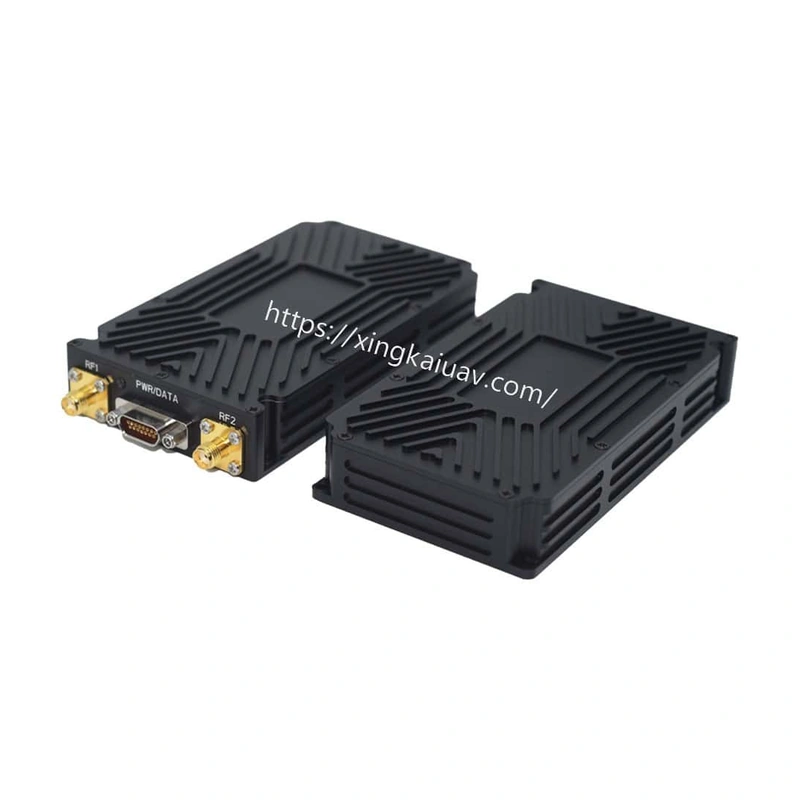
The 2 W × 2 airborne option provides a distinct RF power class for an embedded video and data network node.

A 5 W × 2 airborne radio option for platforms that can accommodate its power supply and installation requirements.
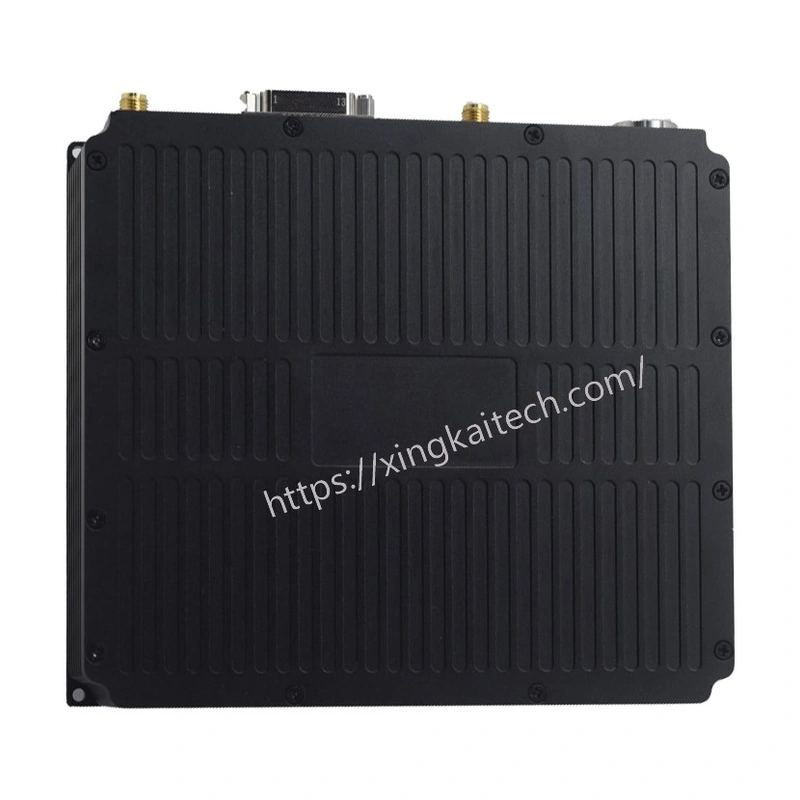
The 10 W × 2 configuration connects a platform to a mobile IP mesh network; assess its electrical and mounting requirements with your equipment.
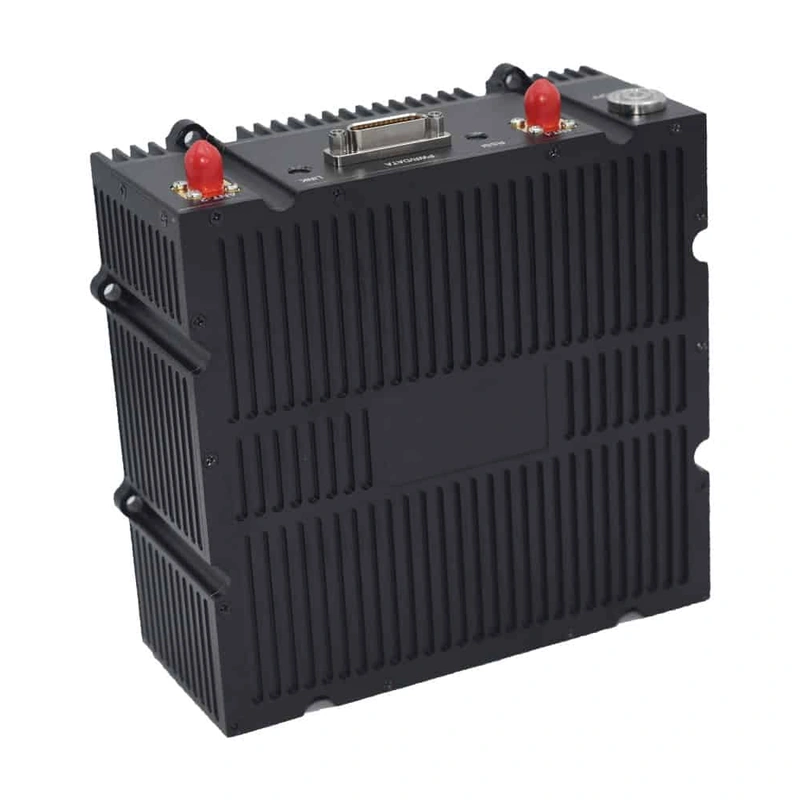
A 20 W × 2 airborne radio option within the Xingkai range, with the frequency and interface configuration specified for the platform.

A 40 W × 2 airborne configuration for projects able to accommodate this RF power class and its equipment power requirements.

1420–1530 MHz operation and Ethernet plus serial/SBUS interface configurations give integrators model-specific connection choices.
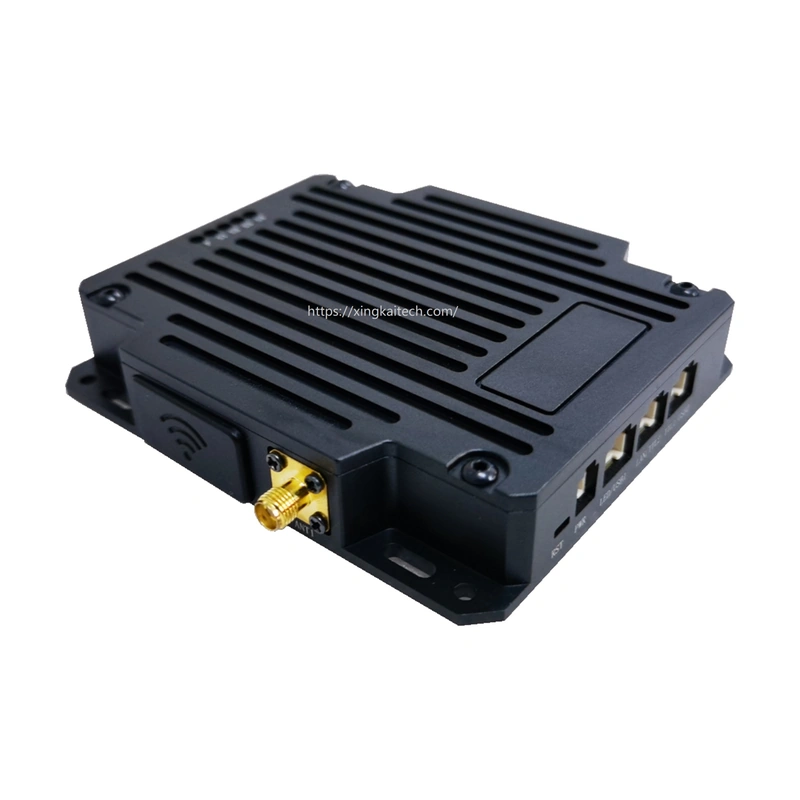
The 1400–1485 MHz configuration includes MESH RF, Wi-Fi interfaces and web management for network-node integration.
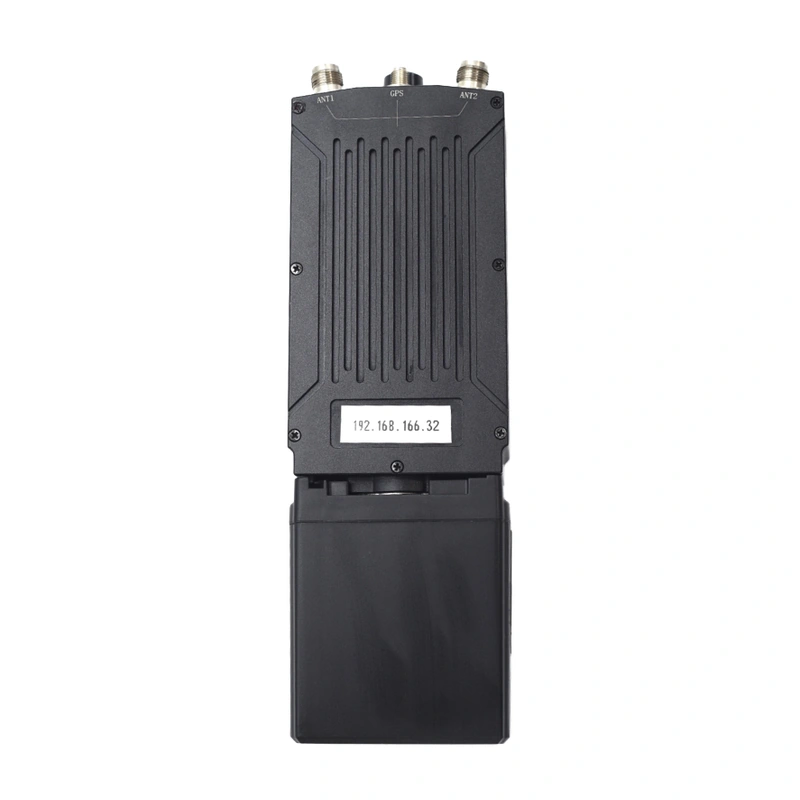
A handheld configuration with network, HDMI and PTT connections for projects combining field video, data and voice equipment.
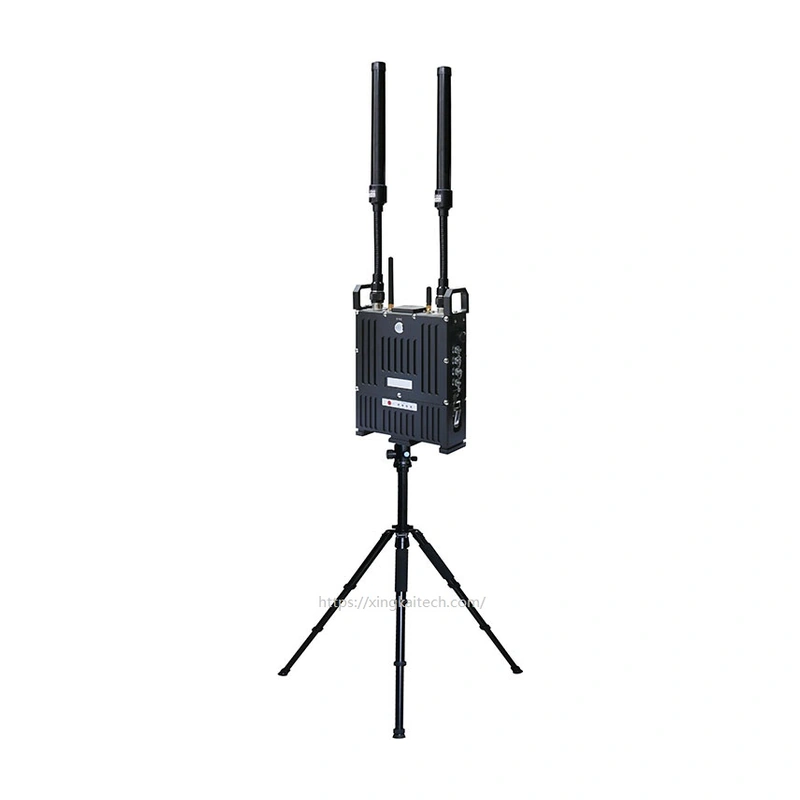
Network, serial and PTT connections support the selected airborne or backpack installation; the equipment form is identified in the quotation.

Choose an OEM module or battery-powered handheld configuration, with 2 W × 2 and 5 W × 2 RF options specified with the delivery form.

A 10 W × 2 configuration offers a network node for a vehicle installation, with antennas, power and interfaces selected for the system.
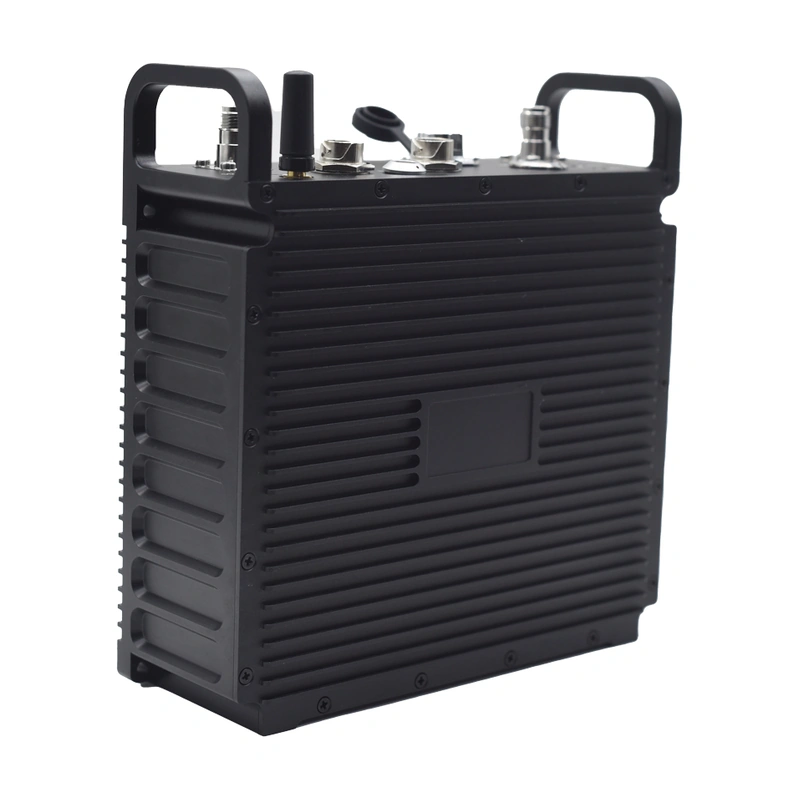
The 20 W × 2 configuration provides a separate vehicle-radio choice; compare the electrical requirements with the selected installation.

A vehicle-mounted model in the XK-F36X family. Xingkai identifies the RF and interface configuration for your installation before quoting.
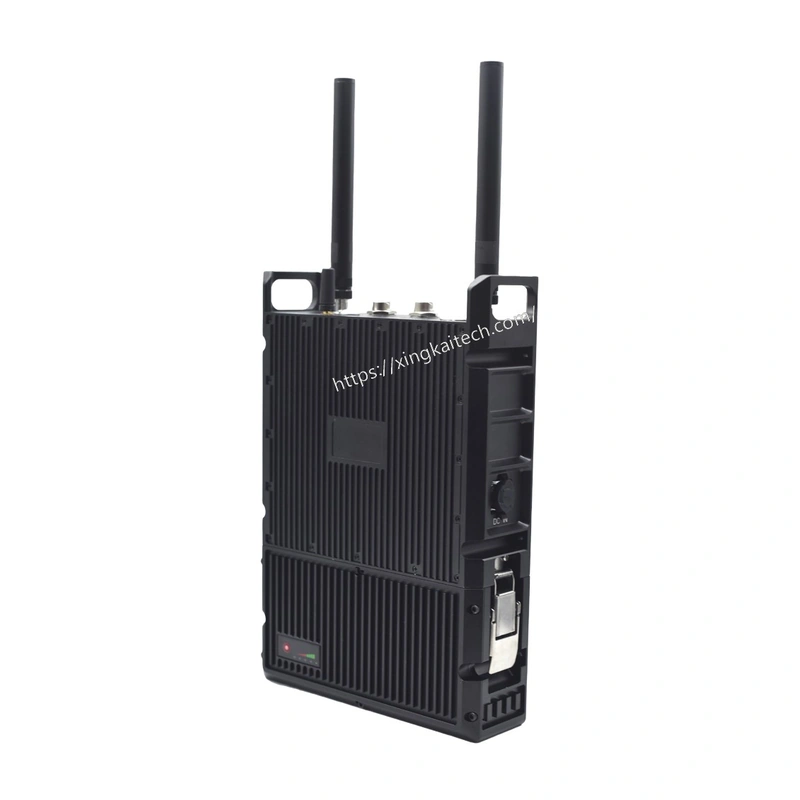
A carried field-radio format with a 20 W × 2 configuration and model-specific network, serial and microphone/headset connections.
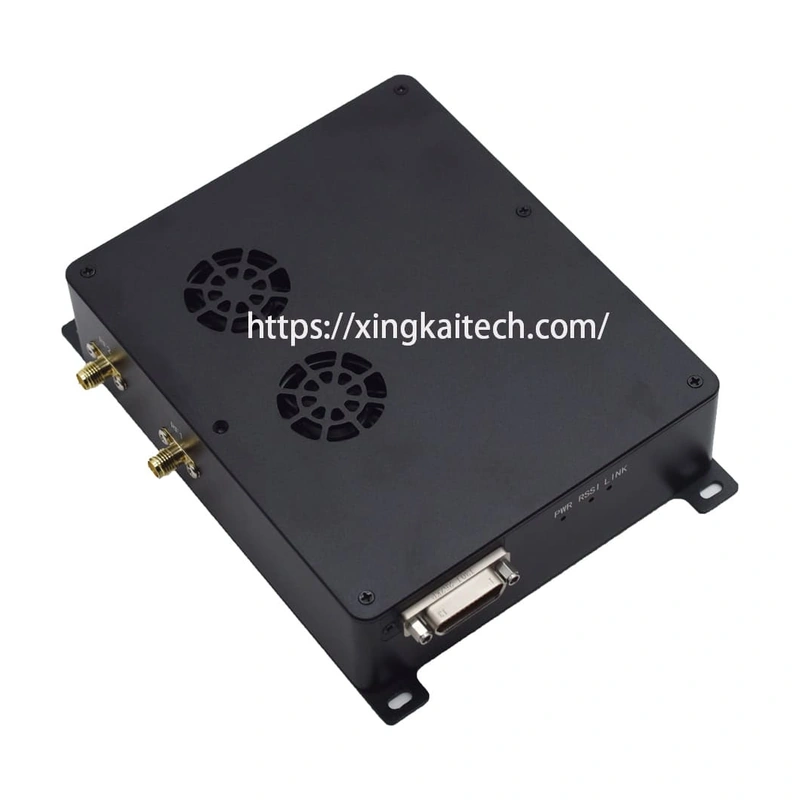
A 2 W × 2 SDR mesh configuration provides a lower-output option for an unmanned-system communication node.

The 1420–1530 MHz configuration uses a DC20–28 V supply, giving your integrator a defined operating band and electrical starting point.

A 1420–1530 MHz mesh model with 3/5/10/20 MHz bandwidth options; match its DC20–28 V supply to the equipment installation.
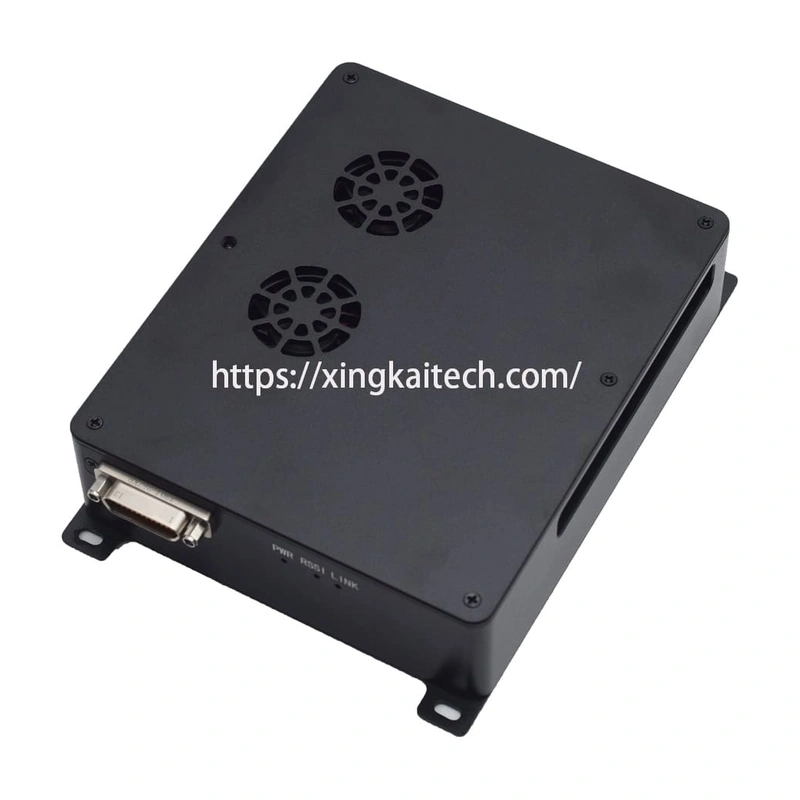
The 5 W × 2 SDR configuration offers a distinct RF power option for wireless video and data networking.

A 10 W × 2 mesh configuration for airborne communication, with the interfaces and equipment power arrangement specified for the platform.

XK-M366 is a mesh-radio supply option for wireless network projects. Specify the exact model and connected equipment so the quotation identifies the supplied configuration.
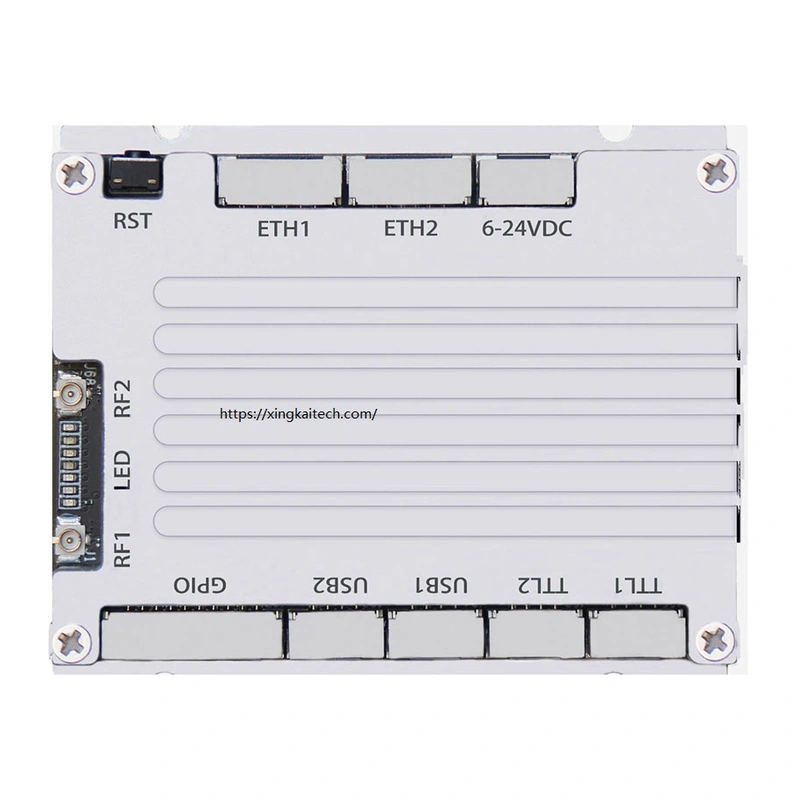
The listed model offers adjustable 5/10/20/40 MHz channel bandwidth and a 30 dBm transmitting-power specification for configuration review.
IP Mesh Radio Network Functions

Point-to-point configurations connect two radio nodes when the project requires a direct communication link.

Point-to-multipoint configurations provide an option for communication between one node and multiple connected nodes.

Dynamic routing and multi-hop relay use available radio paths as the network layout changes.

Management functions expose topology, signal and traffic information to support configuration and observation of the selected network.
Connect the Data Your Equipment Already Produces
Xingkai IP mesh radio configurations provide Ethernet for IP traffic and serial interfaces for telemetry or control devices. This lets a platform project select its communication module around both the video source and the data connection. The application extends beyond a voice-only link; the required interfaces follow the selected model.
An IP camera supplies network video. For HDMI, SDI or CVBS sources, specify the video-input extension and encoding arrangement that will feed the radio link.

Configure the Link Around the Project
A radio's frequency option identifies the RF hardware you are selecting. Channel bandwidth then affects the transmission capacity available for the traffic your equipment needs to carry. Xingkai offers model-specific frequency and bandwidth configurations; the radio specification should therefore identify both, rather than only a maximum data-rate figure.
For IP video, use the camera or encoder's required bitrate when discussing the link. Serial telemetry has a different traffic requirement and must be matched to the supported interface and data settings.
 View full-size image
The airborne range extends from XK-M501E at 0.5 W × 2 to higher RF power classes, allowing power selection alongside installation space and available electrical supply. RF output is separate from the radio's total power consumption; the equipment specification must also account for electrical and thermal requirements.
Link planning starts with the deployment: antenna positions, height, obstructions and the required traffic. Air-to-ground and ground-level links present different conditions, so a distance figure from one deployment is insufficient to select a radio for another. Xingkai checks the requested model and configuration for quotation against your project requirements.
 View full-size image
AES128/256 support is available on applicable radio configurations. The required encryption setting belongs in the equipment specification, alongside any additional security requirement for the project. If the project requires certification, identify that requirement separately from the encryption setting.
Frequency hopping, video-input extensions and connections to other networks are configuration choices. Define which functions are required for the quoted radio. A network extension such as 4G, fiber or satellite connectivity is distinct from the radio's own mesh link and may require separate equipment.
 View full-size image
SDR management functions include radio frequency, bandwidth, network ID and transmit-power settings, together with topology, signal and traffic information. These functions support the configuration and observation of a mobile ad hoc network (MANET), using the management interface available for the selected radio.
The management interface, hardware connections and any development interface must match the quoted model. Node capacity and compatibility are determined with the selected radio configuration; a shared product-family name does not establish that every model can operate in one network.
 View full-size image
RF Development and Product Supply from Xingkai
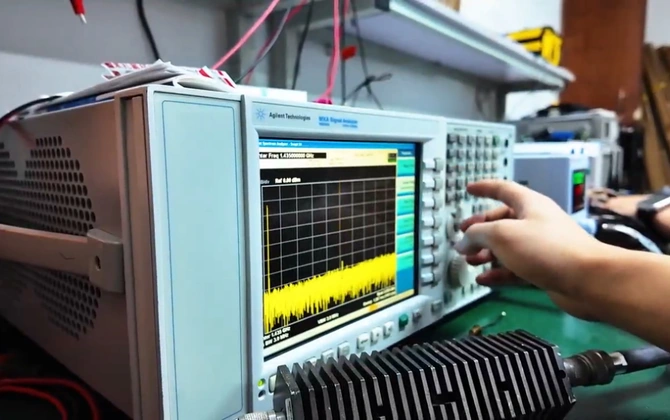

Xingkai develops and produces RF communication equipment and supplies related wireless products. Our technical focus covers RF communication, baseband units and image processing. Your quotation identifies the selected product model and included equipment, so the supply scope remains clear when the project also needs related hardware.
Apply the Radio Form to the Installation Task
The same communication requirement can call for a different delivery form when the platform, carrying arrangement or connected equipment changes.
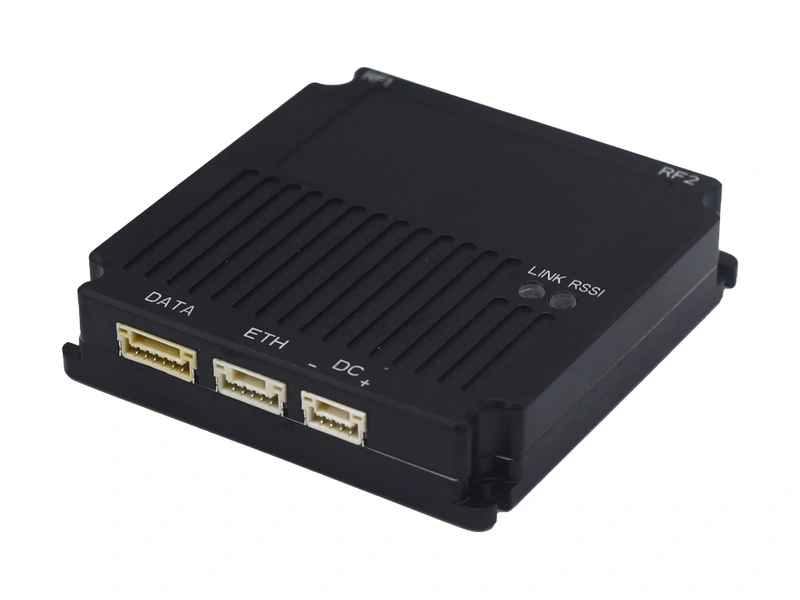
For a UAV, UGV, USV or other platform with an internal installation, an airborne or OEM module provides the relevant starting point. XK-M501E offers a compact installation footprint; the larger RF classes provide other configurations to consider. The useful comparison is between modules that fit the platform's space, electrical supply and interfaces, followed by the required link configuration.

A personnel-carried node needs a different power and handling arrangement from a radio installed in a vehicle. Xingkai supplies handheld, backpack and vehicle-radio formats for these tasks. Compare the battery-powered handheld configuration with the selected carried or externally powered equipment, and identify the radio and accessory connections required for each node. Any planned combination of models is checked as a specific system configuration.

Projects connecting cameras and data terminals need the radio configuration to reflect both endpoints. Ethernet provides the IP traffic path; serial and voice connections serve other terminals and functions. Xingkai's interface options let you match the equipment to the actual video source and data task.
Compare Radio Forms and Specifications
Compare the defined configurations below. The quoted model identifies the frequency, interfaces and power arrangement for the order.
- SDR RF Configurations
- Installation and Carrying Configurations
- Additional Radio Configurations
| Model or model group | Radio form | RF output configurations |
|---|---|---|
| XK-M501E | Airborne module | 0.5 W × 2 |
| XK-F355 | Airborne module | 2 W × 2 |
| XK-F356 | Airborne module | 5 W × 2 |
| XK-F358 | Airborne module | 10 W × 2 |
| XK-F359 | Airborne module | 20 W × 2 |
| XK-F368 | Airborne module | 40 W × 2 |
| XK-F357 | Handheld / OEM configurations | 2 W × 2 or 5 W × 2 |
| XK-F366 / XK-F367 / XK-F370 | Vehicle-radio group | 10 W × 2 / 20 W × 2 / 50 W × 2 options within the group |
| XK-F360 | Backpack radio | 20 W × 2 configuration |
The vehicle group lists power options together; they are not a one-to-one assignment to the three model numbers. RF output and equipment power consumption are different specifications. The quotation identifies the power configuration supplied for the chosen model.
| Module | Installation dimensions |
|---|---|
| XK-M501E compact module specification, including heat sink; confirm supplied hardware version | 59.8 × 58 × 12.8 mm |
| XK-F357 configuration | Dimensions | Equipment weight |
|---|---|---|
| OEM module | 101 × 54 × 19 mm | 123.5 g |
| Handheld with 11.1 V / 6.8 Ah battery | 190 × 68 × 38 mm | 769 g, including the specified battery |
| Handheld with 11.1 V / 10.2 Ah battery | 220 × 68 × 38 mm | 982 g, including the specified battery |
The OEM module and battery-powered handheld radio are separate delivery forms. Dimensions and weights above apply to the stated configurations. Battery capacity does not, by itself, establish the operating time under a particular radio workload.
Use the mounting drawing for the supplied compact-module hardware version when assessing installation space; other enclosure versions are checked separately. For backpack deployments, distinguish the battery and external-power arrangements when specifying the radio, power connection and accessories.
| Model | Frequency configuration | Channel bandwidth options | Connection details |
|---|---|---|---|
| XK-M413E | 1420–1530 MHz | 3 / 5 / 10 / 20 MHz | Ethernet and UART / TTL / RS232 / RS485 / SBUS interface configurations |
| XK-M353 | 1400–1485 MHz | 2 / 5 / 10 / 20 / 40 MHz | MESH RF interfaces, Wi-Fi interfaces and web management |
| XK-V104TE | 1400–1485 MHz | 2 / 5 / 10 / 20 / 40 MHz | Handheld configuration with network, HDMI and PTT connections |
| XK-V103TE | 1400–1485 MHz | 2 / 5 / 10 / 20 / 40 MHz | Network, serial and PTT connections for the selected installation |
These are defined frequency configurations, not the full tuning range of every radio. Other frequency or interface requirements are checked against the selected hardware and configuration during model selection.
The compact XK-M501E configuration provides Ethernet and serial connections, with RS232, TTL and SBUS options. XK-F357 configurations provide Ethernet, serial and PTT connections; video-input and network extensions are selected with the configuration. XK-F360 configurations provide network, serial and microphone/headset connections for video, data and PTT voice equipment.
From Radio Requirements to Supply
Xingkai checks the model and configuration before the order conditions are confirmed.
Describe the application, intended radio form and quantity. Include the relevant installation, interface and frequency requirements. Xingkai receives these details for model and configuration checking.
Xingkai checks the requested model and configuration and provides quotation information. You can then review the proposed equipment against the project requirement.
Both parties confirm the radio configuration, quantity and delivery conditions for the order. The result is an agreed equipment and supply requirement.
Xingkai arranges supply and dispatch according to the confirmed order conditions. The agreed configuration and delivery terms govern that arrangement.
FAQs: IP Mesh Radio Procurement Questions
The local mesh link does not require a cellular network or an internet connection: nodes communicate over their configured radio links. Internet access is a separate task. If the project needs traffic to reach a remote public-network destination, specify that route and the required network extension. Optional 4G, fiber or satellite connections should be included in the selected configuration, rather than assumed to come with every radio.
Do not assume direct interoperability. A shared frequency or a PTT connector does not establish that two radios use compatible over-the-air protocols. Give Xingkai the existing equipment models and the intended voice or data connection so the proposed configuration can be checked. Any integration equipment or network extension must be identified separately; the supplied radio's mesh function does not establish compatibility with another vendor's system.
List each camera or encoder's bitrate and which streams must travel at the same time. Add the telemetry and voice traffic the network must also carry. A single headline radio data rate does not show the usable capacity on every route, particularly when traffic crosses relay nodes. Xingkai checks the requested radio configuration for quotation; state the planned routes and traffic load so those requirements are part of that check.
The confirmed order configuration determines the supplied equipment. For a comparable quotation, identify the accessories you require: antennas and RF leads, a power supply or battery and charger, data cables, and any video-input or external-network equipment. An optional interface is a requested configuration item; its availability does not mean every radio includes it. Xingkai supplies the equipment agreed in the confirmed order conditions.
Use the connection and mechanical specification for the exact configuration being ordered. A shared family name, a similar model number or a photograph does not identify the correct power input or connector pinout. State the required delivery form, frequency and interface arrangement in the order, then match integration documents to that equipment before wiring or mounting it. Do not apply a handheld battery configuration to an OEM module.
Equipment Around the Communication Link

Compare links when the project centers on video, telemetry and control between the selected endpoints.

Explore separate COFDM transmission equipment when the main requirement is a dedicated video transmission path.
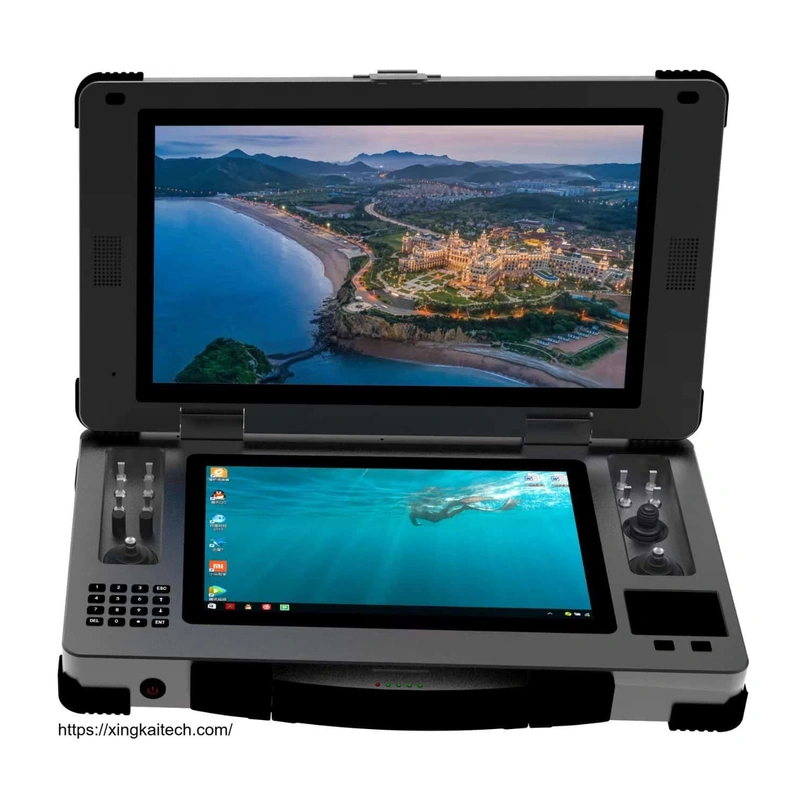
Review control stations for the operator interface, display and control hardware around the selected communication link.

Compare camera payloads and their output interfaces before matching the image source to the chosen radio configuration.
Discuss an IP Mesh Radio Configuration
Tell us what the radio will connect and where it will be installed or carried, together with your required quantity. If you have already selected a model, include its name and the configuration you need. Xingkai will check the model and configuration and provide quotation information for your project.

