
XK-M372 5 GHz MIMO Mesh Radio
Use XK-M372 as a 5 GHz MIMO mesh node for network-connected equipment. The listed radio combines two 10/100M network ports with USB and TTL interfaces, a 7–12 V DC input and a 6 W power-consumption entry.
- Listed 5.180–5.825 GHz networking configuration for projects selecting a 5 GHz radio band.
- Two 10/100M network ports connect IP terminals; the Ethernet link speed is distinct from the radio's wireless-rate entry.
- 7–12 V DC input and listed 6 W consumption give a starting point for the radio power budget.
- WEB configuration and two U.FL RF interfaces support the specified node and antenna arrangement.
Connector-panel reference: the photograph is marked 6–24 V DC; the listed configuration is 7–12 V DC. Confirm the supplied version in your quotation.
XK-M372 5 GHz MIMO Mesh Radio Overview
XK-M372 is a 5 GHz MIMO mesh radio for bringing IP equipment onto a wireless node. Its listed configuration includes two 10/100M network ports, two USB interfaces and two TTL interfaces, so the terminal connection can be specified alongside the radio rather than left to a generic accessory list.
The networking table identifies 802.11an operation in the 5.180–5.825 GHz range and adjustable 5, 10, 20 and 40 MHz channel bandwidths. The 7–12 V DC input and listed 6 W consumption are the radio's electrical entries. Antennas and other connected equipment need their own integration and supply scope. This 5 GHz configuration should be evaluated against the deployment band and terminal connections, rather than treated as interchangeable with a 1.4 GHz mesh-radio family.
Technical Specifications
| Parameter | Listed configuration |
|---|---|
| Networking standard | 802.11an; listed configuration |
| Networking frequency | 5.180–5.825 GHz |
| Channel bandwidth | 5 / 10 / 20 / 40 MHz, adjustable |
| DC input | 7–12 V |
| Listed power consumption | 6 W |
| Network interfaces | 2 × 10/100M network ports |
| Other interfaces | 2 × USB; 2 × TTL |
| RF interfaces | 2 × 5 GHz U.FL |
| Configuration interface | WEB |
Connections and Integration
Connect IP equipment through the two network ports and specify the TTL terminal levels and pin arrangement before wiring serial equipment. WEB configuration provides the listed setup path. The quotation identifies the radio units, antenna connection arrangement and supplied cables.
The two U.FL RF interfaces need suitable antenna connections for the chosen installation. The radio's listed frequency and bandwidth values guide the configuration; they do not establish an end-to-end throughput or operating-distance guarantee for a camera network.
Connector-panel reference: the photograph is marked 6–24 V DC; the listed configuration is 7–12 V DC. Confirm the supplied version in your quotation.

Configure and Order Your Mesh Nodes
Describe the 5 GHz deployment, terminal connections and required node quantities. Xingkai checks the XK-M372 radio configuration and identifies the antenna and cable arrangement in the quotation.
Confirm the supplied configuration, quantities and delivery terms before ordering. Xingkai supplies and dispatches according to the agreed order.
Send the node roles, terminal connections, available supply and radio quantities.
Xingkai checks the model and configuration, then quotes the required radios and accessories.
Agree on the configuration, quantities and delivery terms.
Xingkai supplies and ships according to the confirmed order.
FAQs
No. The wireless specification's 300 Mbps entry is a radio-rate figure associated with its MCS table. The listed network ports are 10/100M. Neither entry is a measured end-to-end payload-throughput result for your installation; define the actual traffic requirement separately.
No. The model's TX table lists different output levels across modulation and MCS settings, including entries below 30 dBm. Specify the selected radio settings with the required traffic and deployment conditions instead of treating the highest table entry as a constant across all modes.
Do not assume network isolation from the port count. The interface table lists two 10/100M ports without defining a separate-network or VLAN arrangement. Describe the required separation and connected equipment so Xingkai can check it when specifying the configuration.
Its listed networking band is 5.180–5.825 GHz. That does not establish direct operation with a 1.4 GHz node. Provide the exact existing radio and network arrangement so Xingkai can assess the proposed system rather than assume radio-family interoperability.
State that the enclosure is customer-supplied and describe the external antenna-connector locations and cable route. The M372 table lists two 5 GHz U.FL RF interfaces; identify who will provide the two antenna leads or adapters, the external connectors and mounting parts. Request those items and any assembly scope as separate quotation entries. A U.FL interface list does not establish an enclosure kit or that external antenna connections have already been assembled.
Compare Related Models
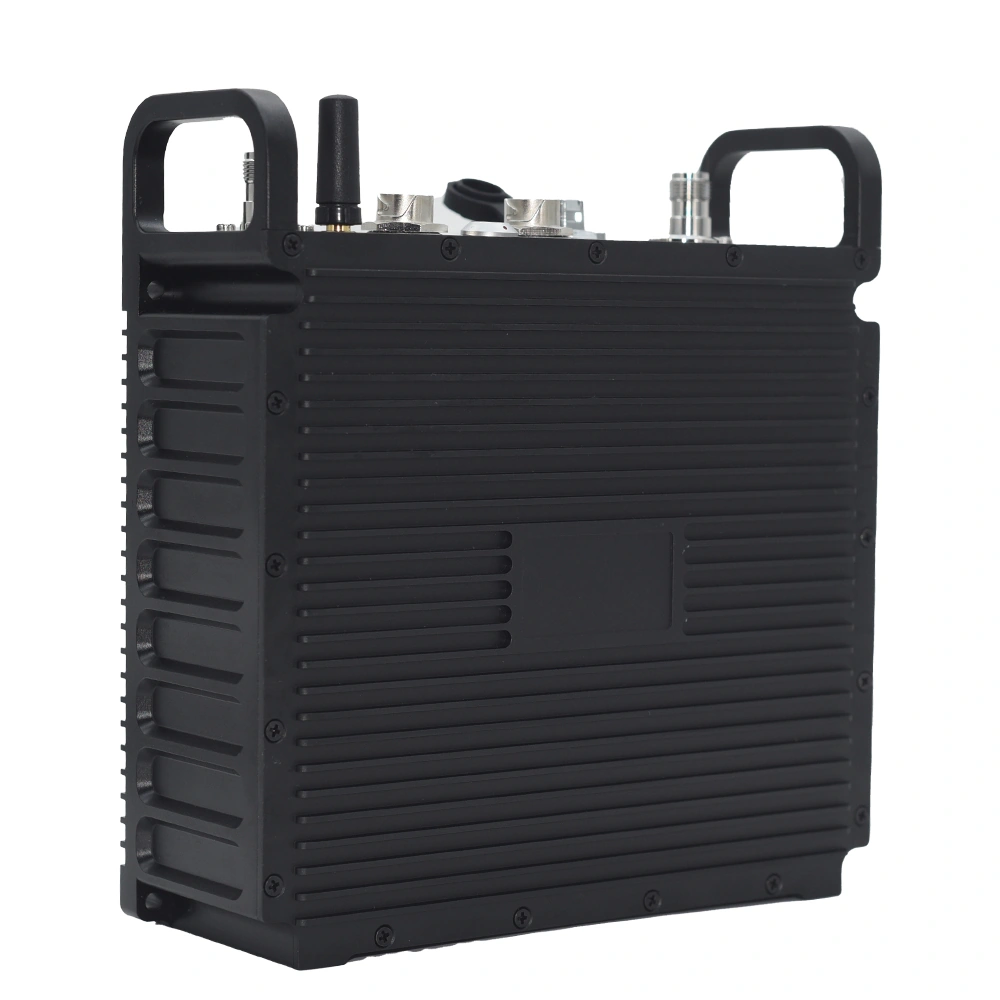
Vehicle-format mesh radio for a separately specified mounted node. Compare its mechanical fit and the power requirements of the quoted configuration.

Another vehicle-format mesh-radio option. Specify the radio units, antenna arrangement and power supply separately for this model.

Mesh video and data radio with Ethernet, UART and SBUS interfaces for different terminal connections.
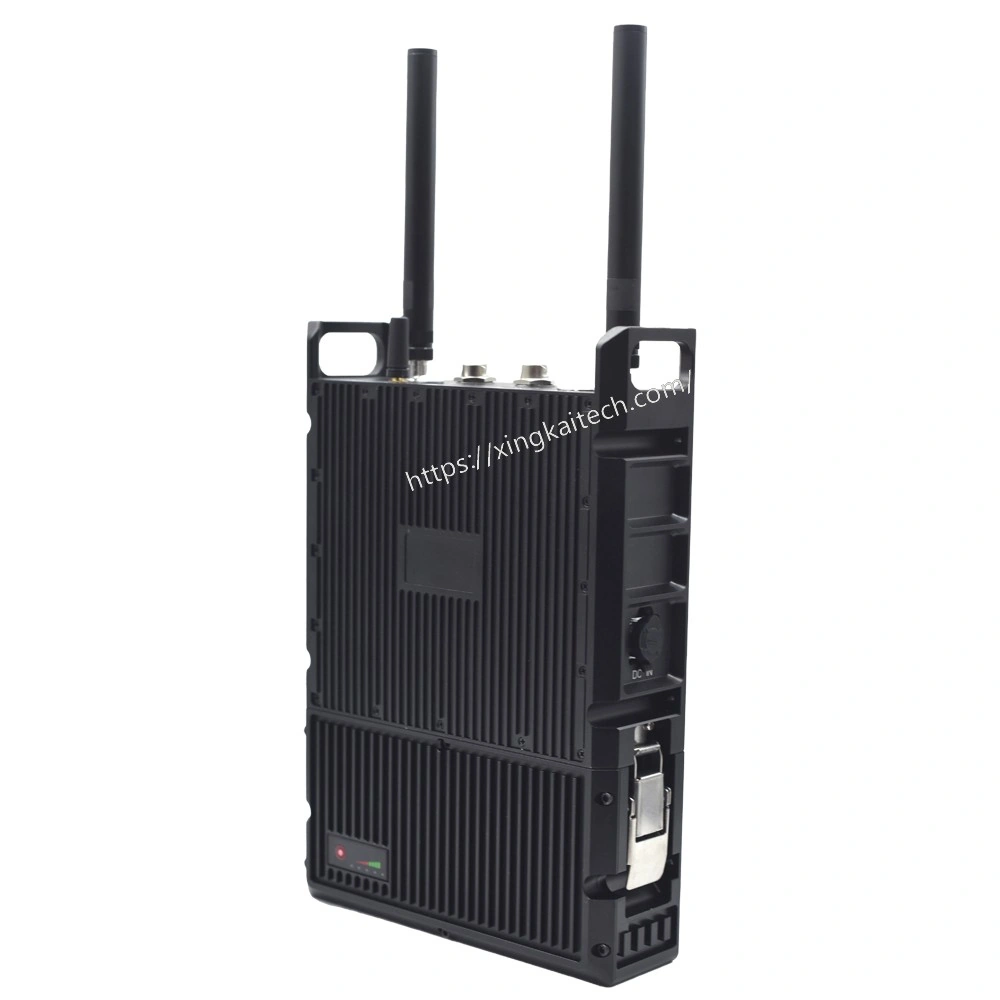
Backpack mesh-radio form for projects considering a portable node rather than a vehicle installation.
Request a Configuration Quote for XK-M372
Send the intended 5 GHz deployment, IP and TTL terminal connections, available DC supply and node quantities. Xingkai will check the XK-M372 configuration and quote the radios and supplied accessories.