

XK-F358 Airborne MIMO Mesh Radio
XK-F358 is a 10 W × 2 airborne MIMO mesh radio for companies building a distributed connection between air and ground equipment. It carries IP traffic and serial data through direct links or relay nodes, with the radio and connection configuration specified for the project.
- 10 W × 2 RF output identifies the airborne transmitter configuration for comparison with lower-power nodes.
- Point-to-point, point-to-multipoint and mesh relay modes support different arrangements of air and ground equipment.
- Ethernet and UART signal groups connect network payloads and serial terminals through the specified harness.
- Radio management supports configuration and network-status monitoring, helping operators view the proposed node layout.
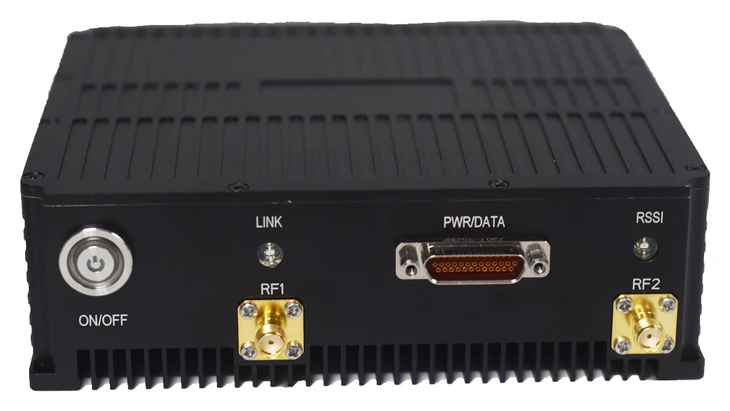
Black XK-F358 enclosure reference. Listed grey-version dimensions and weight describe a separate configuration; supplied enclosure and connections are specified in the quotation.
XK-F358 Mesh Radio Overview
XK-F358 provides a 10 W × 2 MIMO radio node for airborne projects that carry network payload traffic and serial data. Its distributed network supports direct communication, point-to-multipoint layouts and multi-hop relay, allowing the radio arrangement to follow the positions of the equipment rather than assuming a single fixed link.
The listed airborne device measures 127 × 110 × 33 mm and weighs 635 g. Those entries help compare installation space and device weight; they do not describe the complete assembly with antennas and cables. The RF-output figure identifies the transmitter configuration and must be kept separate from the electrical supply requirement.
Xingkai checks the intended network and terminal connections, then specifies the radio units and accessories in a quotation. Confirm the supplied enclosure, frequency, power arrangement and connection harness before ordering or adapting an existing platform installation.
Technical Specifications
Listed airborne radio. The supplied enclosure, frequency and connection configuration are identified in the quotation.
| Parameter | Listed configuration |
|---|---|
| Product form | Airborne MIMO mesh radio |
| RF output | 10 W × 2 |
| Listed device dimensions | 127 × 110 × 33 mm |
| Listed device weight | 635 g; device entry, not a complete installed assembly |
| Network layouts | Point-to-point, point-to-multipoint, mesh and multi-hop relay |
| Data connections | Ethernet and UART signal groups |
| Black connection configuration | DB25 power/communication connection; two RF channels |
| Management | Local/remote radio settings and network-topology monitoring |
Connections and Integration
Black connection configuration shown; supplied enclosure and connections are specified in the quotation.
In the black connection configuration, XK-F358 has two RF channels and a DB25 power/communication connection with Ethernet and two UART signal groups. Network payloads and serial terminals can therefore be specified around one radio node and its harness.
Xingkai checks the proposed terminal connections for the quotation. Use the supplied version’s electrical information when selecting the harness and power supply; the DB25 connector form alone does not identify a compatible cable.
Configure and Order Your Radio
Specify one F358 10 W × 2 enclosure and connection version for the order. The grey-version mechanical reference and the black DB25 connection record describe separate configuration information; confirm the supplied assembly rather than combining them.
Send the operating band, air/ground node layout, Ethernet and serial terminal requirements, available DC supply and F358 quantities. Identify the enclosure and DB25 harness version required, including any equipment to be retained.
Xingkai checks that F358 version’s terminal signals, harness and electrical specification, then quotes the radio units and accessories. The supplied enclosure and its applicable input range are identified together, providing one configuration for installation and power planning.
Agree on the supplied configuration, quantities and delivery terms before proceeding.
Xingkai supplies and ships according to the confirmed order.
FAQs
Compare the voltage delivered at the radio with the electrical specification for the quoted enclosure. The SDR catalogue’s 10 W × 2 power entry lists 18–32 V DC and 3–6 A operating current at 18 V; apply that entry only to its corresponding configuration. If the platform supply does not suit the selected version, request a separately specified power arrangement. Do not create a wider input range by combining values from different connection illustrations or tables.
A higher RF-output rating does not establish a usable distance by itself. Antenna placement, frequency, line of sight, obstructions and the required data load also affect the link. State the intended route and terminal equipment when requesting a configuration. Xingkai checks those requirements rather than treating the transmitter power as a guaranteed distance.
Provide the cable drawing and the exact radio versions involved. The same DB25 connector shell does not establish matching pin assignments, voltage or serial signal levels. Xingkai checks the proposed connection arrangement when quoting the radio and accessories. Use the supplied version’s connection information before reusing a cable or linking it to existing equipment.
That depends on the camera output and the supplied interface arrangement. An IP camera can provide network traffic, while HDMI or SDI output may require separate video-interface equipment. Send the camera model and output type with the enquiry. The proposed supply list should identify any encoder or interface equipment separately from the radio nodes and antennas.
Show the intended air, ground and relay-node positions, including antenna heights and the equipment connected at each point. Include the traffic that must pass through the relay. Xingkai uses that layout when checking the configuration and radio quantities for the quotation. A relay’s presence alone does not establish the capacity of the complete communication path.
Compare Related Models

2 W × 2 airborne MIMO mesh radio for network and serial equipment.
Black enclosure reference; supplied version is specified in the quotation.

5 W × 2 airborne MIMO mesh radio with listed 120 × 63 × 30 mm dimensions.
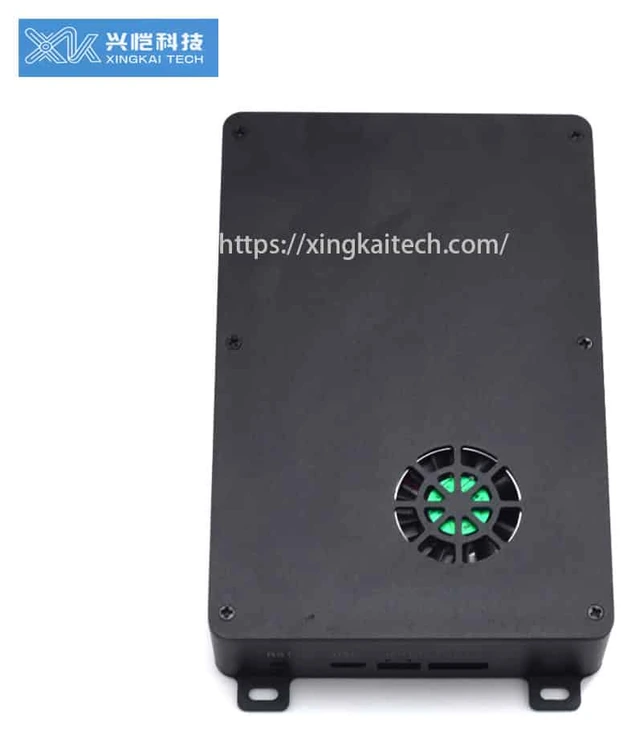
Airborne configuration with Ethernet, serial and SBUS control connections.
Exterior reference; supplied interfaces are specified in the quotation.
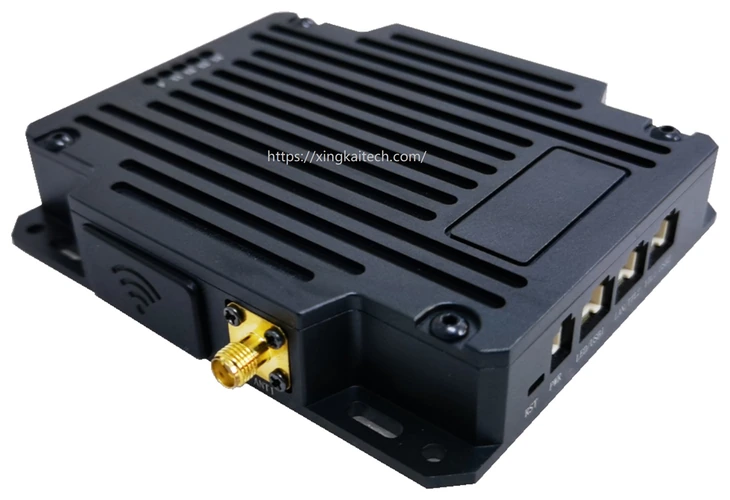
Airborne mesh radio with listed 110 × 96 × 21 mm dimensions and 231 g device weight.
Request a Configuration Quote for XK-F358
Tell us which equipment and nodes your XK-F358 network needs to connect. Include the operating band, terminal interfaces, power arrangement and required radio quantities. Xingkai will check the configuration and provide a quotation identifying the radio units and accessories.