

XK-F367 Vehicle MIMO Mesh Radio
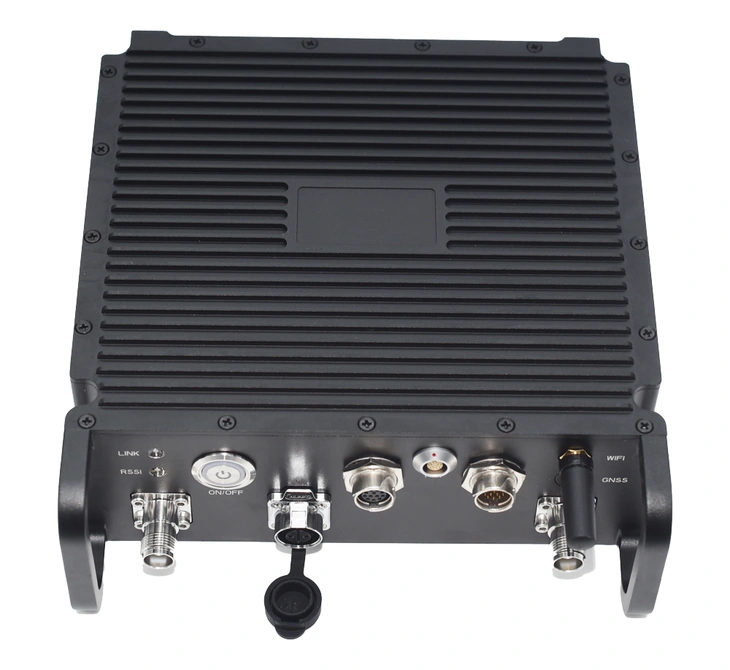
Appearance reference; the supplied hardware configuration is confirmed in the quotation.
Build a vehicle-mounted mesh node around the XK-F367's two 20 W RF branches. The listed 18–32 V input and operating-current figures give integrators a concrete power requirement when adding video, IP data and serial terminals to a mobile network.
- 20 W × 2 RF output in the listed vehicle configuration, with the frequency configuration selected for the deployment.
- Operating current of 6–10 A at 20 V defines a supply requirement beyond the RF-output rating.
- 173 × 157 × 64 mm enclosure and four mounting holes for vehicle-installation planning.
- Xingkai checks the model and configuration, then quotes the radio nodes and agreed accessories.
XK-F367 Vehicle MIMO Mesh Radio Overview
XK-F367 is a vehicle MIMO mesh radio for integrating Ethernet traffic and serial terminals into a mobile communication network. Its listed configuration uses two 20 W RF branches and supports point-to-point, multipoint and automatic-relay layouts.
A vehicle node can originate terminal traffic and participate in an automatic-relay layout using the same listed radio form. The 6–10 A operating current at 20 V is a separate requirement from transmitted RF power, so the installation needs an electrical allowance for the radio as well as its connected equipment. More RF power alone does not establish the distance or useful video capacity of the installed network.
Technical Specifications
| Parameter | Listed configuration |
|---|---|
| RF output | 20 W × 2; listed vehicle configuration |
| DC input | 18–32 V |
| Operating current | 6–10 A at 20 V |
| Standby current | 0.7–0.9 A at 20 V |
| Enclosure dimensions | 173 × 157 × 64 mm |
| Radio weight | 1.99 kg; listed vehicle configuration |
| RF connections | 2 × TNC |
| Network interface | Ethernet; port and cable arrangement specified with the configuration |
| Network layouts | Point-to-point, point-to-multipoint, multipoint-to-multipoint and automatic relay |
Connections and Integration
Appearance reference; the supplied hardware configuration is confirmed in the quotation.
The F367’s 20 W × 2 vehicle configuration needs an 18–32 V DC source, with operating current listed as 6–10 A at 20 V. Choose the main-cable or battery arrangement alongside the terminal power loads, rather than sizing the supply from RF output.
Connect IP equipment through Ethernet and specify the serial terminal’s electrical level. Xingkai checks that terminal and power arrangement, including any PTT or video-interface accessories, so the quotation identifies the radio, cables and supply components for the vehicle.
Configure and Order Your Mesh Nodes
Tell Xingkai which nodes need the 20 W × 2 configuration and describe the available vehicle supply. The quotation identifies the selected radio configuration, connections and accessories for each node role.
Confirm the supplied configuration, quantities and delivery terms before ordering. Xingkai supplies and dispatches according to the agreed order.
Send the F367 node roles and quantities, the vehicle’s available supply, main-cable or battery preference, Ethernet and serial terminals and any voice/video accessories required.
Xingkai checks the selected 20 W × 2 F367 version’s 18–32 V supply arrangement, its 6–10 A at 20 V reference and the terminal interfaces. The quotation identifies the radio configuration, power components and cable/accessory list for each installation role.
Agree on the configuration, quantities and delivery terms.
Xingkai supplies and ships according to the confirmed order.
FAQs
Compare them at the voltage your installation will actually deliver, with the selected cables and terminal loads included. The listed F367 operating entry is 6–10 A at 20 V; F366’s is 3–6 A at 18 V, so the current figures alone are not a same-condition comparison. Request the electrical basis for each proposed installation before deciding whether the existing supply and harness can be retained. Neither model’s RF rating establishes that replacement power arrangement.
No. Usable distance also depends on antenna choice, installation heights, obstructions, interference and the required traffic. Give Xingkai those conditions and the target distance for configuration selection. A 20 W × 2 rating is not a project-specific distance guarantee.
A 40 MHz channel requires the appropriate radio hardware and configuration; it is not a default established for every unit by the model name. Specify the required bandwidth and frequency allocation in the enquiry so Xingkai can identify the supplied configuration. Wider channels alone do not establish the useful traffic capacity of the network.
A listed relay mode does not establish a guaranteed video load at every hop. Describe the number of cameras, stream bitrates, traffic directions and proposed relay layout. Xingkai uses those requirements when specifying the network configuration; multi-hop capacity must be considered for the proposed arrangement.
Treat them as different installation forms. The 173 × 157 × 64 mm and 1.99 kg entries describe the listed vehicle radio. An OEM module needs its own dimensions, connectors, power specification and supplied enclosure scope; do not use the vehicle figures for that form.
Compare Related Models
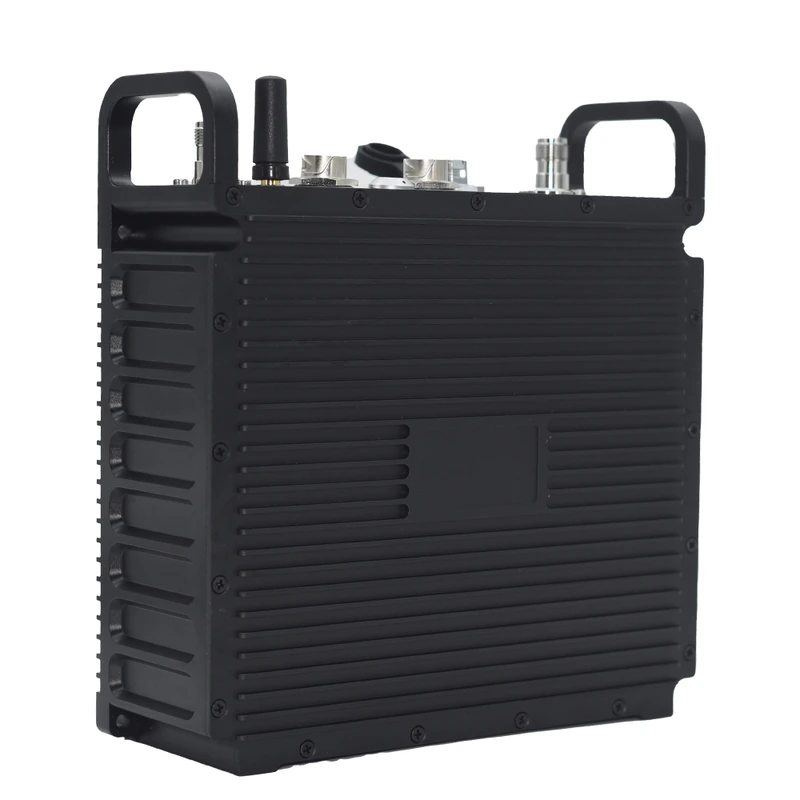
Vehicle mesh-radio configuration with an 18–32 V DC input; compare its supply and mounting requirements with your installation.
Appearance reference; the supplied hardware configuration is confirmed in the quotation.

Mesh video and data radio with Ethernet, UART and SBUS interfaces for different terminal connections.
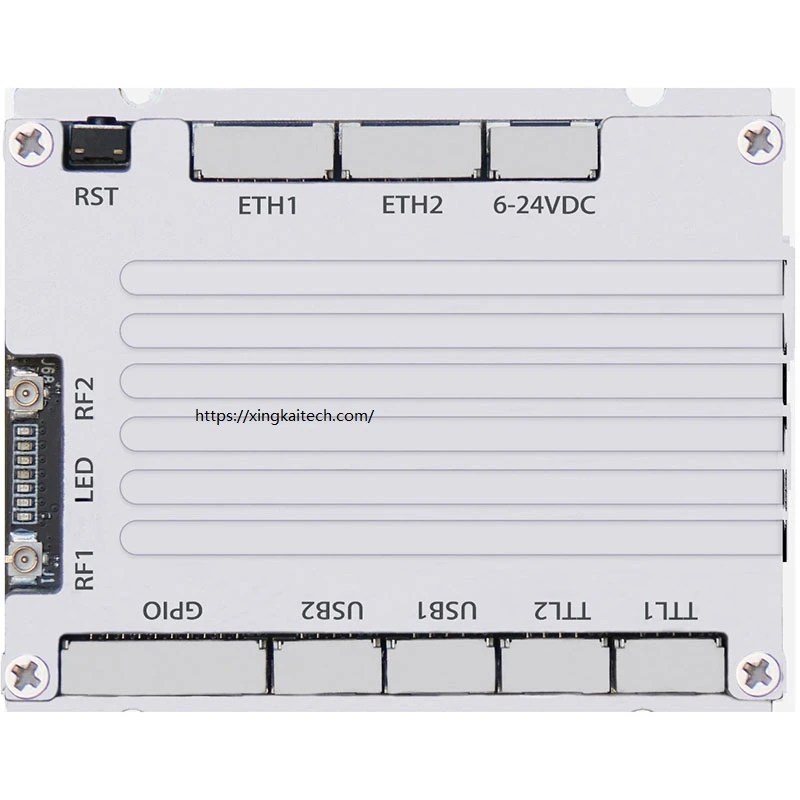
Compare XK-M372 for projects considering a 5 GHz network node.
Interface detail shown for reference. The pictured label is not a power specification for the supplied configuration.

Backpack mesh-radio form for projects considering a portable node rather than a vehicle installation.
Request a Configuration Quote for XK-F367
Send the node roles and quantities, terminal interfaces, available supply and intended antenna layout for your XK-F367 network. Xingkai will check the configuration and provide a radio and accessory quotation.