

XK-F356 Airborne MIMO Mesh Radio
XK-F356 is a 5 W × 2 airborne MIMO mesh radio for connecting network payloads and serial equipment across mobile nodes. Xingkai specifies the radio configuration and connection accessories for the intended air-to-ground or multi-node layout.
- 5 W × 2 RF output provides a defined transmitter configuration for the proposed link.
- Centreless networking and multi-hop relay let the radio serve as a node in a distributed network.
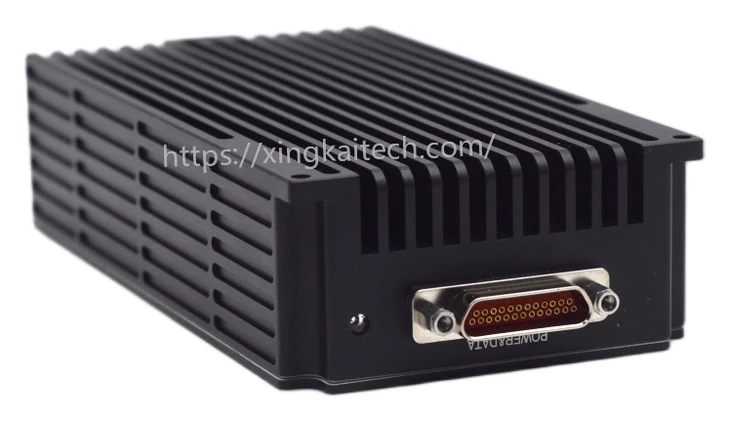
- The listed airborne device measures 120 × 63 × 30 mm and weighs 268 g for installation planning.
- Ethernet and UART connections serve network payloads and serial terminals through the supplied interface arrangement.
XK-F356 Airborne MIMO Mesh Radio Overview
XK-F356 brings IP traffic and serial equipment into an airborne mesh network. Its 5 W × 2 MIMO radio configuration supports direct links and distributed relay layouts, allowing companies to specify nodes around the equipment and network arrangement required for their project.
The listed airborne device is 120 × 63 × 30 mm and 268 g. These values describe the radio; antennas, harnesses and mounting hardware add to the installed assembly. Keep the transmitter’s RF-output figure separate from the electrical supply requirements when planning the platform installation.
Xingkai checks the required frequency configuration and terminal connections, then identifies the radio units and accessories in a quotation. Confirm the supplied enclosure, power and connection arrangement before committing an installation or reusing existing cables. The model number alone does not establish that a legacy harness fits the proposed unit.
Technical Specifications
Listed airborne device configuration. Frequency, power and connector arrangements are specified for the supplied version.
| Parameter | Listed configuration |
|---|---|
| RF output | 5 W × 2 |
| Listed device dimensions | 120 × 63 × 30 mm |
| Listed device weight | 268 g |
| Networking | Distributed centreless links, mesh and multi-hop relay |
| Data interfaces | Ethernet; RS232/TTL UART; supplied connector arrangement specified with the configuration |
| Management | Local/remote radio settings, spectrum scanning and network-topology monitoring |
Connections and Integration
For the listed 5 W × 2, 268 g F356, Ethernet carries network traffic and RS232/TTL UART connections serve serial equipment. Specify the terminal’s serial electrical level so Xingkai can check the required interface and harness; the two serial forms are not interchangeable wiring assumptions.
Use the supplied version’s connector drawing for cable preparation, rather than applying an older catalogue drawing to every unit. Identify any separate HDMI/SDI conversion equipment and available DC supply so the quotation covers the actual installation.
Configure and Order Your Radio
Define one F356 5 W × 2 installation, with the enclosure, connector version and accessories identified for the order. The 268 g entry describes the listed device, rather than the complete aircraft installation.
Send the band and network layout, Ethernet equipment and each serial terminal’s RS232 or TTL requirement. Add the available DC supply, intended connector version, radio quantities and any existing harness details.
Xingkai checks the selected F356 interface levels, power specification and harness version, then quotes the radio units, antennas, cables and any separate video-interface equipment required. Confirm the supplied version before using an older connector drawing.
Agree on the supplied configuration, quantities and delivery terms before proceeding.
Xingkai supplies and ships according to the confirmed order.
FAQs
The frequency list describes radio configurations and does not establish that one unit covers all listed bands. State the operating band required for the project and deployment country. Xingkai identifies the supplied frequency configuration in the quotation. Existing-radio compatibility and local operating permission must be checked for that configuration before deployment.
No. The 268 g catalogue entry is the device-weight basis for the listed 5 W × 2 airborne configuration. Request an installation list separating that radio from the antennas, harness, mounting parts and any carried video converter, with a weight basis for each supplied item. Mark customer-owned parts separately. Use that defined assembly for the aircraft weight review; if another enclosure is quoted, obtain its device weight instead of carrying over 268 g.
The SDR catalogue lists web-based network management/GUI and an API secondary-development interface/SNMP. State whether your F356 project needs an operator interface or access from your own application, and request the management documentation and access requirements for the supplied version. The listing does not establish that your existing software is already integrated. Agree the required management access before specifying application work or treating the radio quotation as a software-integration deliverable.
Provide the target distance, antenna locations and heights, line-of-sight conditions and the video or data load. These details allow Xingkai to check the proposed radio configuration. A transmitter power figure by itself does not establish the usable distance; installation geometry, antennas, frequency and the operating environment remain part of the link assessment.
Capacity needs to be assessed for the proposed layout and traffic. A radio rate at a stated channel bandwidth is not a guarantee of application throughput over multiple relays. Include the number of active video sources, their data rates and the intended relay path in the enquiry. Xingkai uses the network requirements when checking the configuration for the quotation.
Compare Related Models

2 W × 2 airborne MIMO mesh radio for network and serial equipment.
Black enclosure reference; supplied version is specified in the quotation.
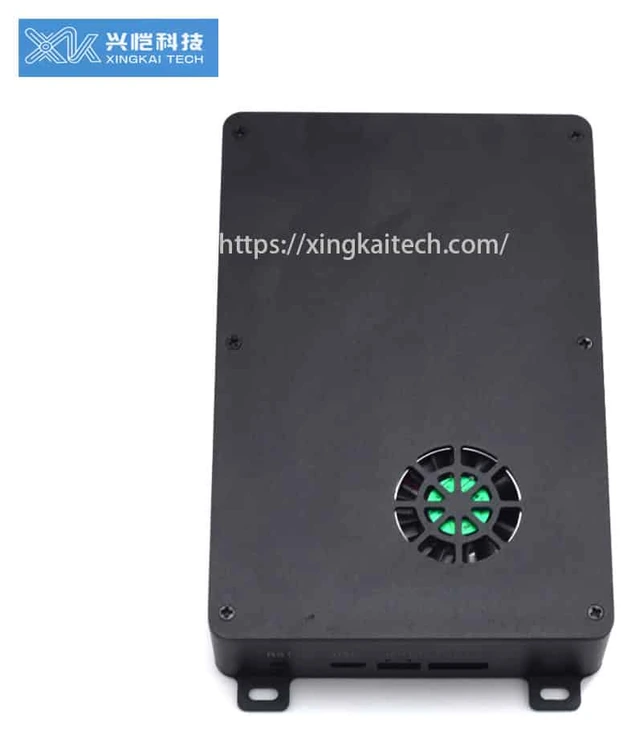
Airborne configuration with Ethernet, serial and SBUS control connections.
Exterior reference; supplied interfaces are specified in the quotation.
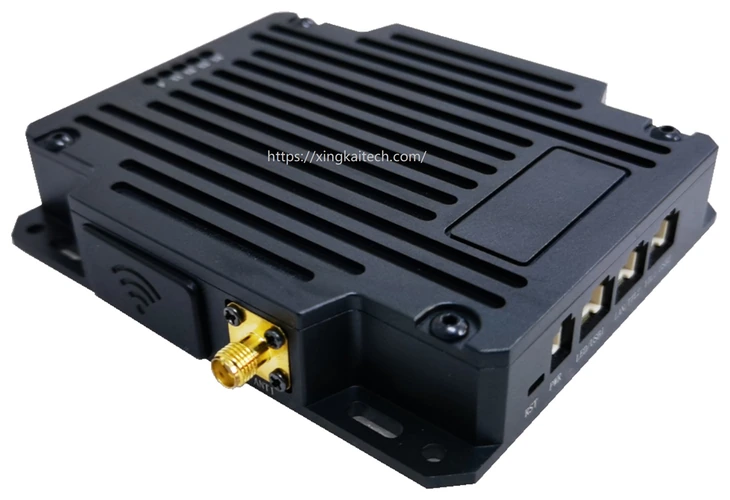
Airborne mesh radio with listed 110 × 96 × 21 mm dimensions and 231 g device weight.

Request a Configuration Quote for XK-F356
Tell us which equipment and nodes your XK-F356 network needs to connect. Include the operating band, terminal interfaces, power arrangement and required radio quantities. Xingkai will check the configuration and provide a quotation identifying the radio units and accessories.