
XK-F105 Fixed-Wing Drone
XK-F105 is a conventional fixed-wing drone with a 2600 mm wingspan and a listed 20–35 cc gasoline-engine reference. It gives businesses a distinct platform to assess when the procurement brief calls for a gasoline-powered fixed-wing configuration.
- Conventional fixed-wing aircraft for a route-based flight requirement.
- 2600 mm wingspan and 88 dm² wing area define the listed airframe size.
- 6.5 kg empty-weight and 15 kg maximum take-off-weight entries distinguish the weight references.
- Listed 4 kg payload and 20–35 cc gasoline-engine reference support an initial configuration review.
XK-F105 Fixed-Wing Drone Overview
XK-F105 offers a conventional fixed-wing configuration for businesses assessing an aircraft around a gasoline propulsion arrangement. Its 2600 mm wingspan provides a different platform choice from the electric VTOL models, with the take-off and landing arrangement to be agreed for the intended site.
The listed weight entries separate empty weight, maximum take-off weight and payload. Use them to begin a configuration review, with fuel, mission equipment and installed components accounted for in the proposed aircraft. They should not be combined into a claim about flight duration at full payload.
Xingkai checks your mission and equipment requirements before quoting the aircraft configuration. Confirm the engine, control equipment, mission payload and accessories included in the supply scope.
Technical Specifications
| Parameter | Model reference |
|---|---|
| Aircraft type | Conventional fixed wing |
| Wingspan | 2600 mm |
| Wing area | 88 dm² |
| Empty weight | 6.5 kg |
| Maximum take-off weight | 15 kg |
| Listed payload | 4 kg; subject to the selected installed configuration |
| Engine reference | 20–35 cc gasoline engine |
Propulsion and Mission-System Scope
The propulsion specification lists a 20–35 cc gasoline engine. Identify the propulsion configuration you require and any existing mission or control equipment. The engine reference does not establish that a specific engine, fuel system or propeller is included with every order.
Xingkai reviews the proposed platform configuration and states the supplied equipment in the quotation. Include the deployment-site and recovery requirements so the order is assessed as a complete procurement scope rather than an airframe-only comparison.

Configure and Order Your Platform
Use the order process to agree the gasoline-powered aircraft configuration and the equipment covered by the order.
For the F105’s 20–35 cc gasoline-engine reference, identify the proposed engine, fuel requirement and any propulsion parts you will provide. Add mission-equipment weights, the operating site and aircraft quantities.
Xingkai checks the proposed engine and aircraft configuration, its weight basis and the site’s take-off and recovery requirements, then quotes the supplied engine-related parts, mission equipment and accessories. Confirm the arrangement before ordering; a specific launch method is not established by the engine reference.
Agree the supplied configuration, item quantities and delivery terms with Xingkai.
Xingkai arranges supply and dispatch according to the confirmed order.
FAQs
The confirmed product is a conventional fixed-wing aircraft; vertical take-off and landing is not established for this model. If vertical deployment is a requirement, make that clear when requesting a configuration review and compare a documented VTOL platform. Do not infer the capability from related aircraft photographs or names.
Identify the exact engine and mark which associated parts you already have, including the propeller and fuel-system components. Ask for the remaining items to be named separately in the F105 quotation, with their installation and weight basis checked for that engine. The 20–35 cc reference is a displacement range, not a complete parts list or proof that any engine within the range fits unchanged.
Use one configuration list with separate entries for the aircraft, fuel, propulsion parts and mission equipment. Mark which components you will supply and which are included in the proposed aircraft so they are neither omitted nor counted twice. Ask Xingkai to confirm the weight basis for that configuration before treating the remaining allowance as mission payload.
The available flight-time entry does not define a complete fuel, payload and operating-condition basis. State the duration and route you need, along with the equipment to be carried. Xingkai can review the proposed configuration; a nominal duration should not be treated as a promise for every mission load.
Not from that entry alone: the F105 source gives 19 × 8 without a stated unit or a complete propeller specification. Send the existing propeller marking and the selected engine and hub details, then request the full replacement specification before ordering. Do not assume a unit or purchase solely from the two numbers; a propeller reference does not establish a supplied or compatible part.
Compare Related Models
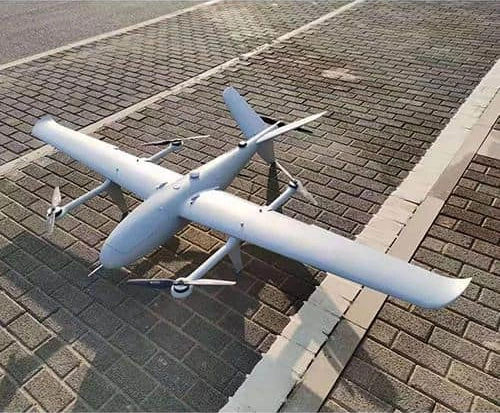

EPO fixed-wing airframe kit; assembly and separately specified components required.

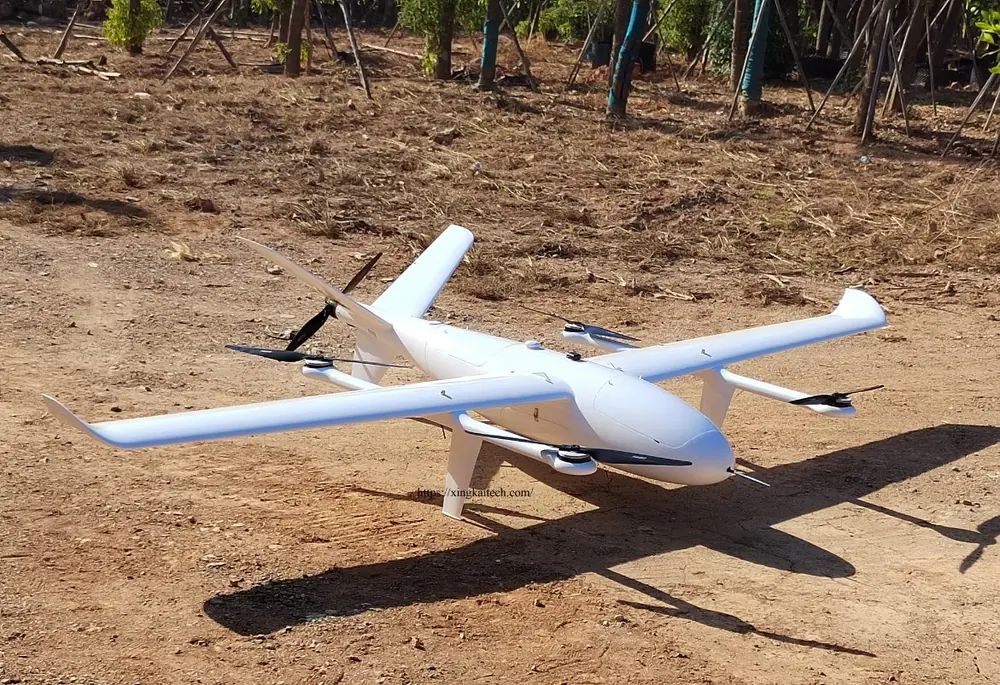
1200 mm wingspan electric VTOL platform with a listed 500 g payload.
Request a Configuration Quote for XK-F105
Send the flight task, payload and installed equipment, propulsion requirements, operating site and quantities for XK-F105. Identify any equipment you will provide and the items you need supplied. Xingkai will check the proposed configuration and provide a quotation.